
Home EV Charger Guide: Level 1, Level 2 and Mobile Chargers
Choosing the wrong charging setup can reduce charging performance or add safety risk. This guide covers practical selection checks.
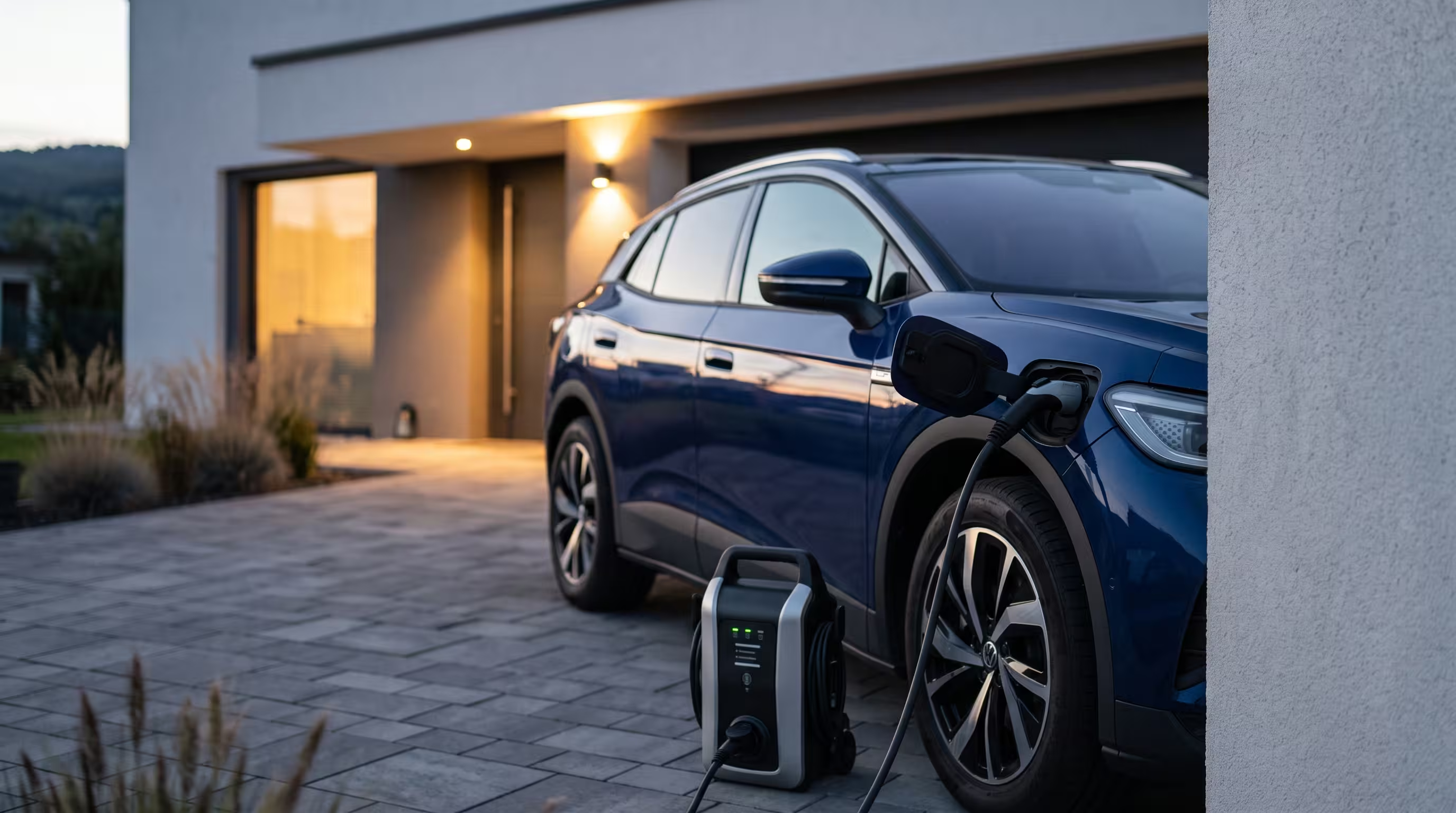
Home EV charger guide: Level 1 vs Level 2, mobile chargers, what installation involves, and how to choose a charger and cable that suit your car. It is written for buyers, DIYers, and workshops who want clearer technical context, more reliable fitment checks, and fewer avoidable mistakes.
In this guide
Match charger type to real charging needs
Daily mileage and available electrical service should determine whether a basic mobile setup is sufficient.
Home charging works best when it is sized to the actual use case rather than the maximum theoretical charging speed. Energy-agency guidance shows that many drivers can meet their daily needs with overnight AC charging, especially when the vehicle spends predictable hours parked at home. The right question is not "what is the fastest charger available?" but "how much energy does the car need to recover between typical trips?"
That practical framing matters because mobile chargers, Level 1 charging, and Level 2 home setups all serve different patterns. A portable charger may be completely adequate for short daily use and modest battery sizes. A dedicated Level 2 installation becomes more valuable when the commute is longer, the schedule is less flexible, or the vehicle battery is large enough that a standard outlet no longer restores enough range overnight.
- Estimate daily energy demand before selecting cable and charger class.
- Check connector standard and onboard charger compatibility.
- Use certified accessories and inspect cable condition regularly.
Safety checks that matter
Charging safety depends on circuit suitability, installation quality, and proper cable handling habits.
Residential charging safety is mostly about respecting continuous electrical load. Home-charging guidance consistently emphasizes circuit capacity, dedicated protection, correct outlet condition, and equipment certification. Problems usually come from trying to make a household circuit do a job it was never intended to do for hours at a time, especially when adapters, extension leads, or poor-quality accessories are added to the chain.
The good news is that safe charging is not complicated when the setup is treated seriously. Outdoor use is possible with properly rated equipment, and many homes can support EV charging without major drama once a qualified electrician confirms the capacity and circuit design. The unsafe path is improvisation: overloaded sockets, damaged connectors, or a charger chosen by price alone rather than by rating and certification.
- Confirm circuit protection and grounding requirements with a qualified electrician.
- Avoid adapters and extension combinations not rated for charging loads.
- Monitor connector heat behavior during first sessions after setup changes.
Sourcing original mobile charging hardware
Original equipment chargers can simplify compatibility and support when paired with correct vehicle variants.
Charging equipment is easy to underestimate because it looks simpler than the drivetrain it serves. But compatibility still matters: connector standard, charge-port type, current rating, regional electrical assumptions, and the vehicle's onboard charging limits all shape whether a charger is merely physically connectable or genuinely appropriate for routine use. A charger that works in one region or trim context may still be a poor fit elsewhere.
Used charging hardware can be sensible when the labels, connectors, and condition are documented clearly. The same rule applies here as with any technical used component: buy the evidence, not the description. Clear photos of plugs and labels, confirmation of output rating, and an understanding of the vehicle's own charging capability do more to protect the buyer than any generic statement that the unit came from a similar car.
- Verify OEM references and market-specific electrical standards.
- Request connector and label photos before buying used charging hardware.
- Keep documentation for warranty and safety traceability.
Pre-install electrical checklist for home charging
A charger purchase should be paired with a household electrical readiness review to avoid overload risk and unreliable charging behavior.
The electrical checklist is what turns charging from a gadget purchase into an infrastructure decision. Before installing or relying heavily on a home charger, the buyer should know whether the branch circuit is dedicated, whether the protective devices are appropriate, whether the cable route is safe, and whether the selected charger output matches both the home electrical service and the car's onboard acceptance rate. Skipping those checks is how nuisance tripping, heat damage, or disappointing charge performance enter the picture.
This checklist also helps prevent overspending. Some households do not need a major upgrade because their driving profile fits a portable or modest Level 2 setup. Others do need a more deliberate installation because they are charging larger batteries or relying on tighter turnaround windows. Planning around actual load and dwell time keeps the charging setup grounded in use rather than marketing claims.
- Verify circuit capacity, protection devices, and grounding quality before first use.
- Confirm plug, cable, and connector ratings are suitable for expected charging load.
- Avoid improvised extension setups and unverified adapters in regular charging workflows.
- Record baseline charging performance and monitor heat/connector behavior in initial sessions.
External reference images
These images are hosted by their original publishers. Each image includes a direct source link for attribution and context.
Residential EV charging connector reference
View original source
Portable EV charger listing example
View original source
Public charging connector and infrastructure overview
View original sourceRelated site resources
These links point to supporting resources such as FAQs, category references, and contact forms when extra context is useful.
FAQ
Is a home EV charger AC or DC?
AC. Home chargers supply AC power and the car's on-board charger converts it to DC for the battery. DC fast charging needs much larger equipment and is found at public charging stations.
Can I use any EV cable with my car?
No. Connector standard, current rating, and charger-vehicle compatibility must all match your specific model.
Is a mobile charger enough for everyday use?
It can be for moderate mileage and overnight charging windows, but daily high-mileage use may need higher-capacity setups.
Should I buy used charging accessories?
Only with visible condition checks, correct specifications, and trusted seller documentation.