
Fitment8 min read7/19/2026
VIN Number Lookup for Parts: Check Fitment Before You Buy
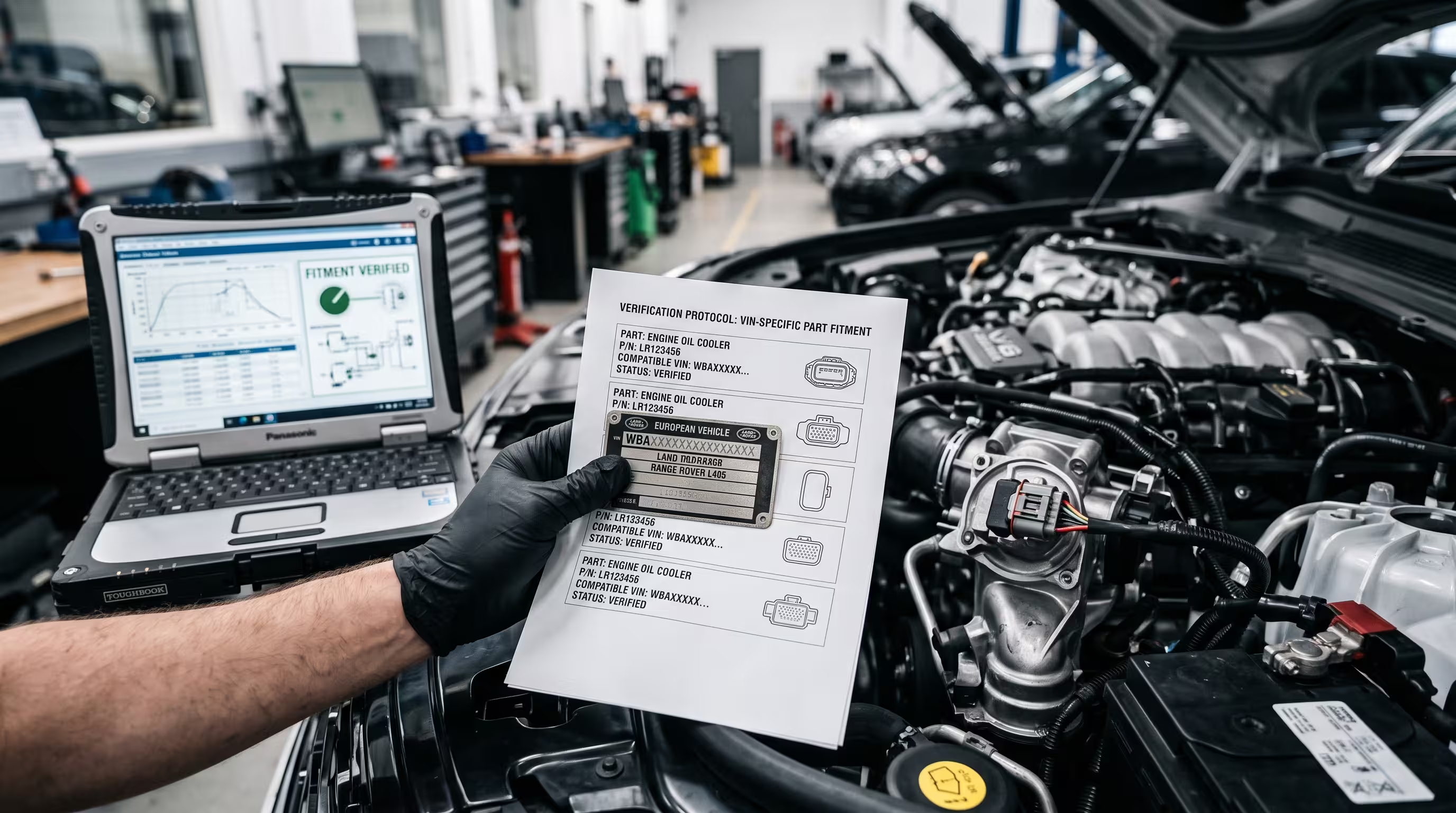
Fitment mistakes are expensive. This guide shows a repeatable VIN-first process that helps buyers choose the right part the first time.
MotorVault Journal
These articles are written to help with practical decisions such as checking compatibility, understanding common failure patterns, and comparing repair paths with fewer assumptions.
The blog focuses on European vehicle fitment, OEM-versus-used part decisions, diesel emissions troubleshooting, EV ownership costs, and seat or interior upgrades where exact compatibility matters.
Fitment mistakes are expensive. This guide shows a repeatable VIN-first process that helps buyers choose the right part the first time.
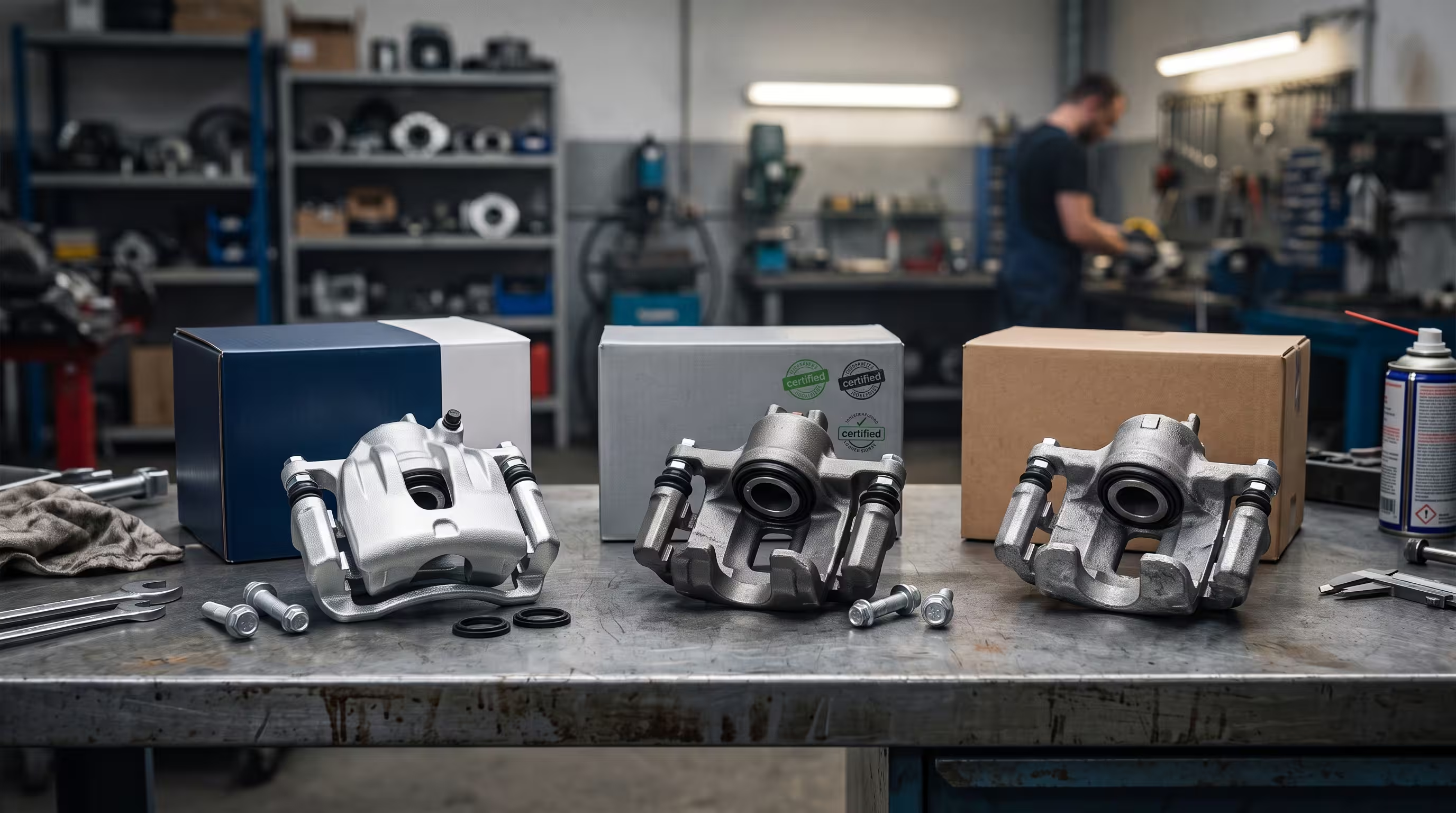
Not every part category should be purchased the same way. Use this matrix to decide when used OEM is smart and when new is safer.

Use this diagnosis-first workflow to reduce parts swapping and identify when a tested replacement ECU or sensor is justified.
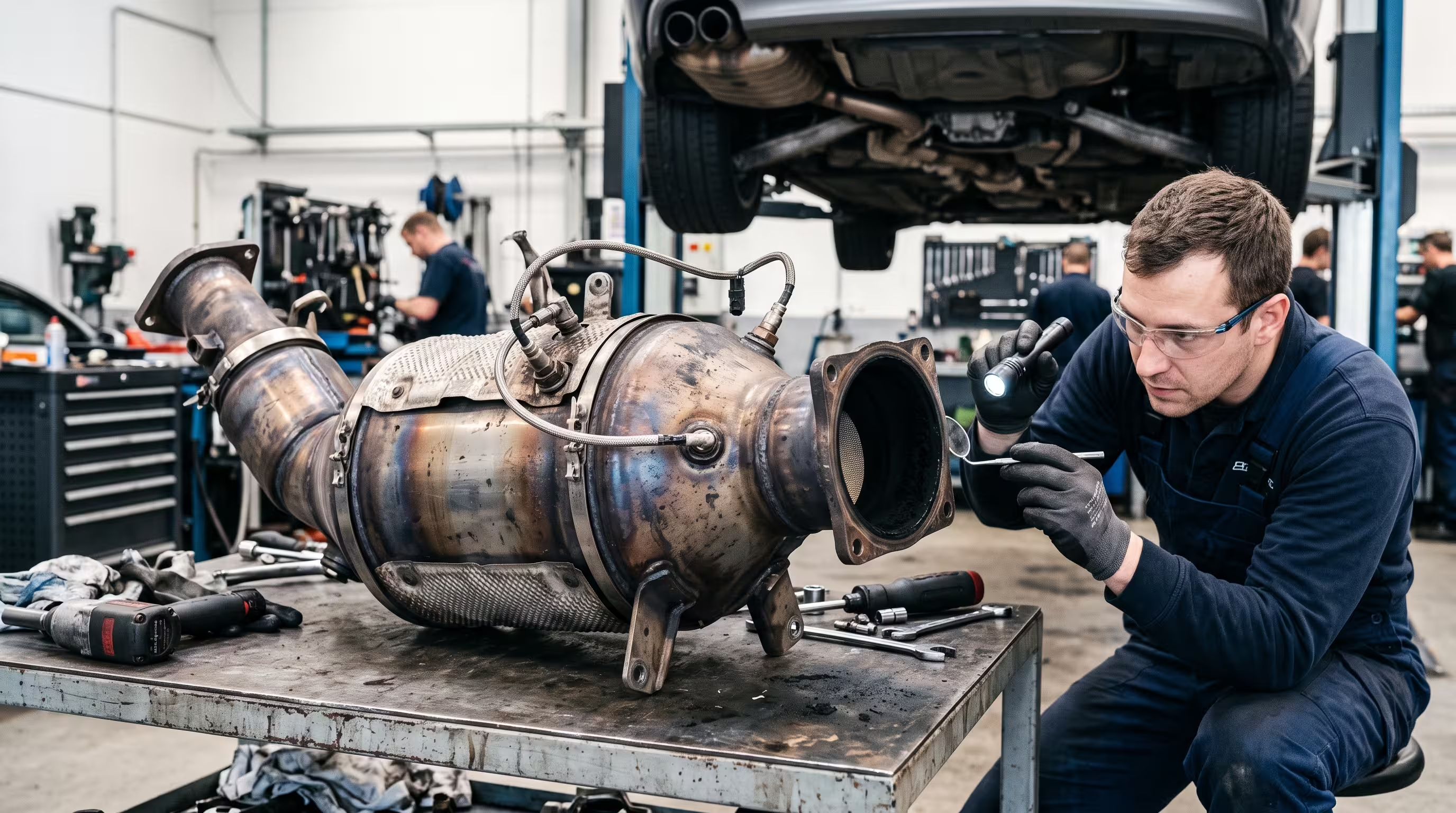
This guide explains when cleaning may work, when replacement is required, and how to source a compatible part without guesswork.

Battery replacement can be the biggest repair line item on early EV and hybrid models. Use this framework to make a better sourcing decision.

Recaro seats are one of the highest-impact interior upgrades, but only when brackets, airbags, occupancy sensors, and trim compatibility are handled correctly. This deep guide covers inspection, purchase, and installation strategy for real-world European builds.

Choosing the wrong charging setup can reduce charging performance or add safety risk. This guide covers practical selection checks.
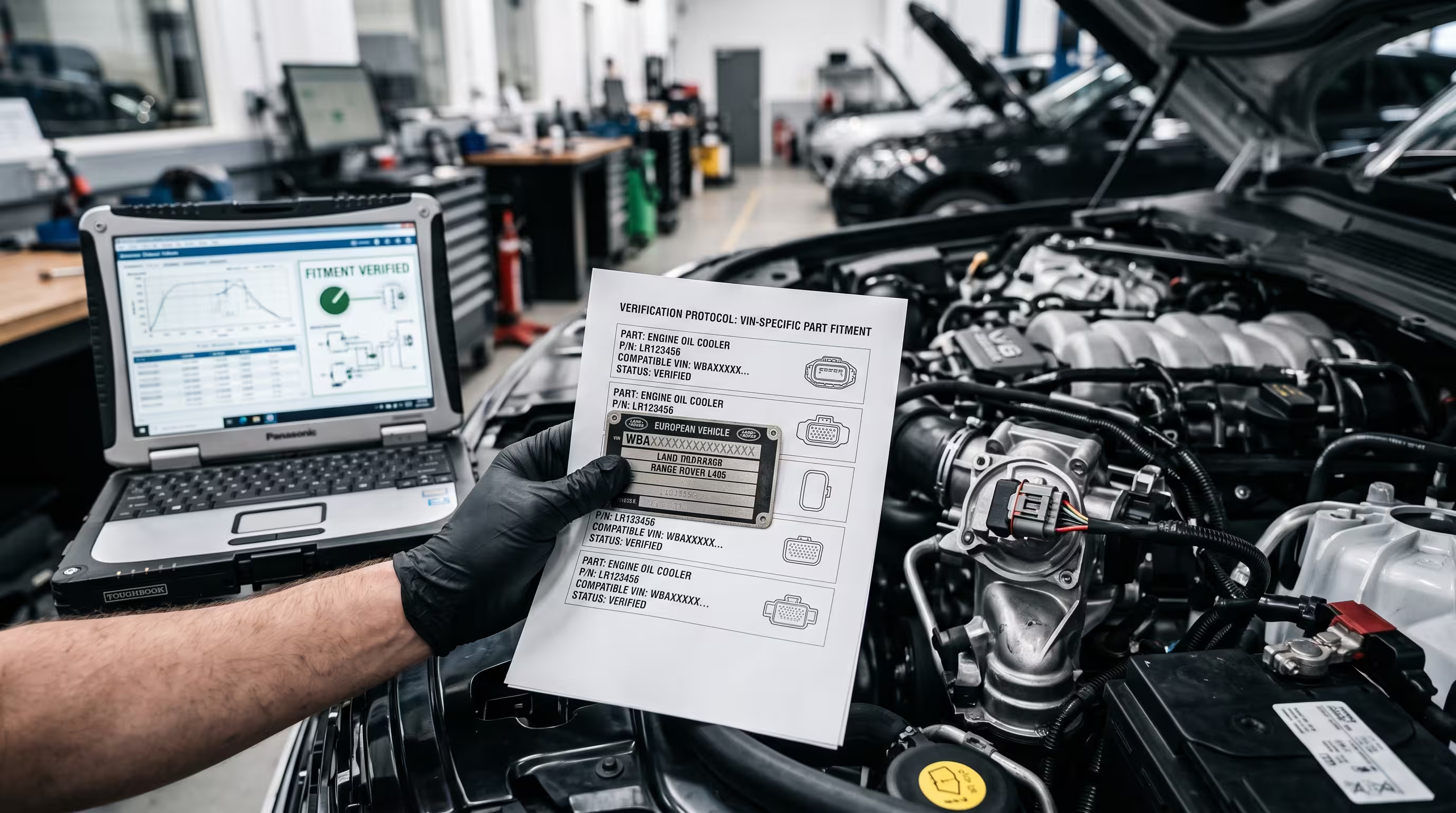
Two cars with the same year, make, and model can still need different parts. A VIN decoder resolves the build-level differences that generic fitment search misses.
Decode a US-market VIN and you get the model, engine and trim. Decode a European one and you often get the maker and the year. Here is why, and where the missing details are.
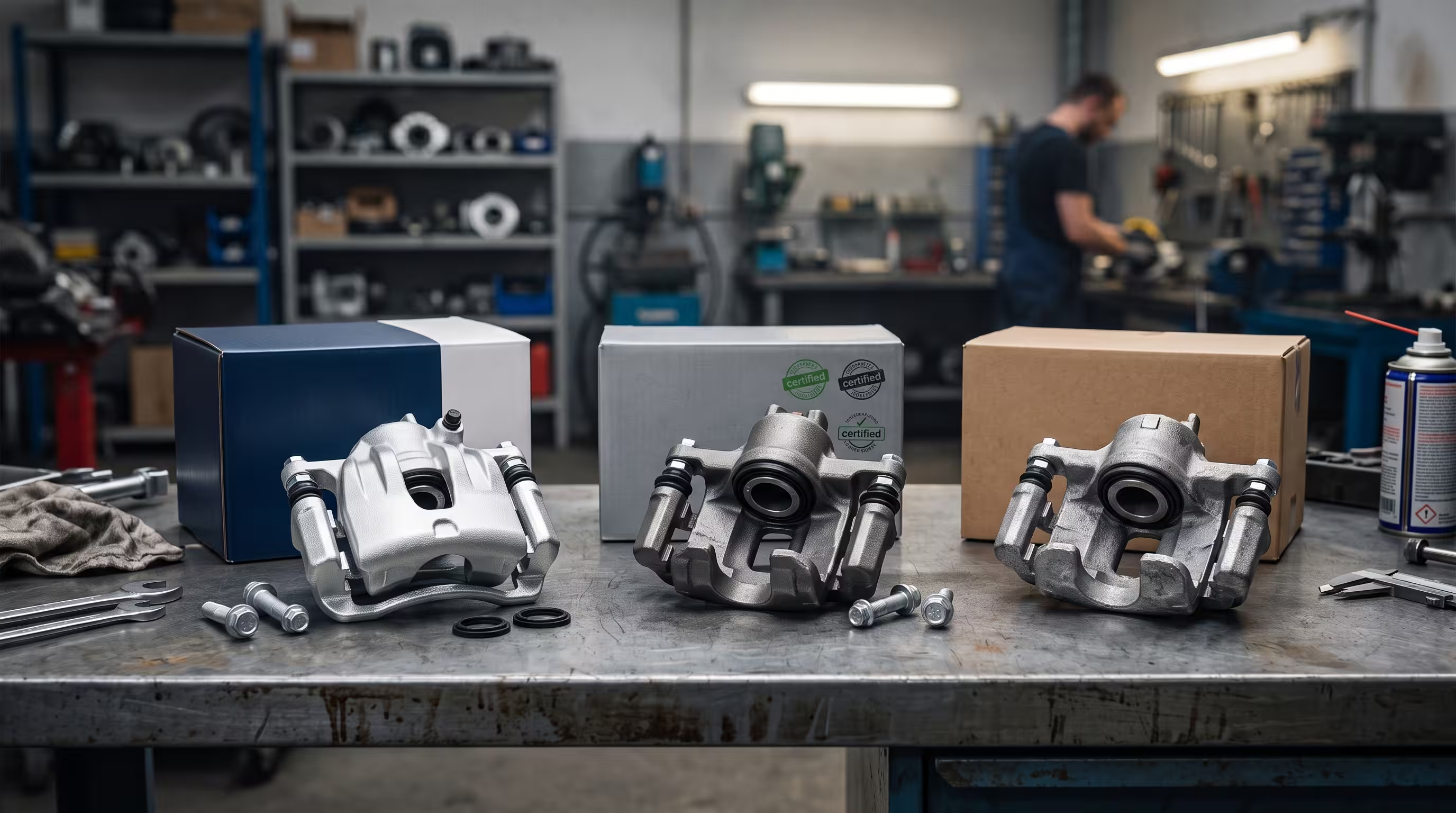
Braking hardware is one category where reputable aftermarket routinely matches or beats OEM - but only once you know which compound and grade you're actually buying.

A trouble code names a symptom, not always the failed part. Here's how to read it correctly before you order a replacement.
Swapping a seat looks like four bolts and a connector. In any car built after the late 1990s it is a safety-system job: side airbags, pyrotechnic pretensioners, and occupancy detection all live inside the seat. This guide covers what carries over between cars, what must never be reused, and how to inspect a used seat before you pay for it.
Many of the issues covered here are actively discussed in owner forums and technician communities. They are useful places to compare patterns, terminology, and real-world repair outcomes.
The goal is to publish material that is specific enough to be genuinely useful before anyone clicks through to a product page.