
DPF and Catalytic Converter Replacement Cost Guide
This guide explains when cleaning may work, when replacement is required, and how to source a compatible part without guesswork.
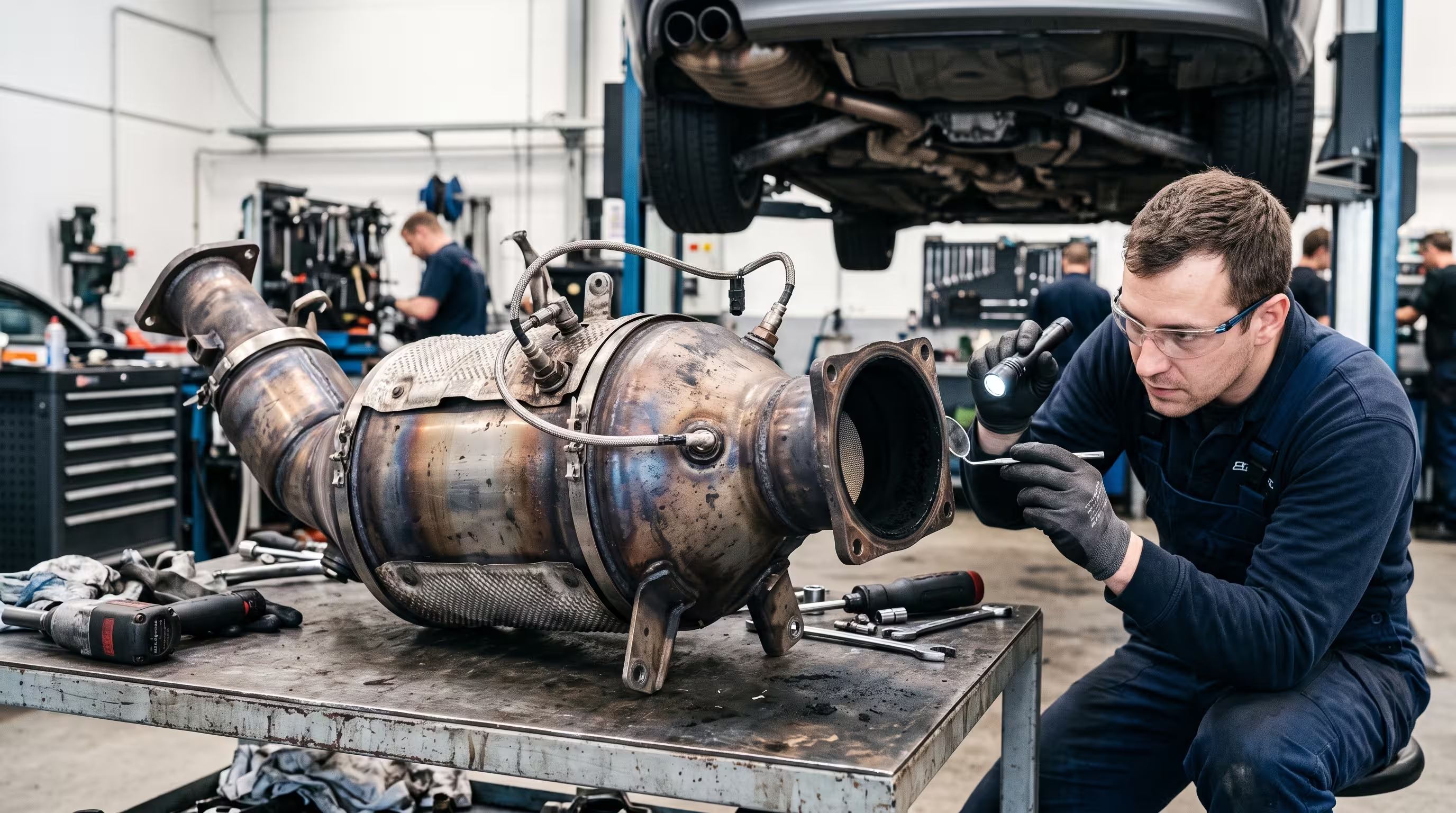
DPF and catalytic converter replacement cost explained: failure symptoms, cleaning vs replacing, and how to source the right part for your diesel or petrol car. It is written for buyers, DIYers, and workshops who want clearer technical context, more reliable fitment checks, and fewer avoidable mistakes.
In this guide
Replacement cost planning
OEM replacement is often highest cost, while verified alternatives can reduce cost if fitment and condition are proven.
Recent DPF cost analysis makes clear how widely these jobs can vary. A mainstream aftermarket filter can land in the high hundreds, while an OEM-integrated assembly can climb into the thousands once labour, sensors, and adjacent exhaust work are included. The single biggest cost multiplier is whether the DPF is a standalone component or part of a larger welded assembly that includes a catalyst or other exhaust hardware.
Cost planning also needs to include the possibility that replacement is not yet justified. A professional clean can be dramatically cheaper when the substrate is intact, and a faulty differential-pressure sensor can mimic a blocked filter for a fraction of the price of a new assembly. The smart estimate is not one number. It is a decision tree: sensor-level repair, cleaning candidate, or true replacement case.
- Budget for gaskets, clamps, and potential sensor replacement during install.
- Include labor and coding/adaptation where required by platform.
- Avoid unknown-origin components with unclear catalyst history.
Sourcing checklist for diesel exhaust parts
A sourcing checklist improves first-time install success and minimizes repeat repairs.
Diesel exhaust parts are a category where fitment, legal compliance, and condition all matter at once. Matching the OEM reference is only the first filter. The buyer also needs to know whether the assembly matches the exact engine code, sensor layout, and market specification, especially on vehicles where emissions hardware changed during a model cycle or differs by region.
Condition evidence matters because a used or refurbished exhaust component can look serviceable externally while hiding internal damage. A trustworthy listing should clarify whether sensors are included, whether threads and mounting points are intact, and whether the substrate condition was checked. This is also a category where local roadworthiness rules matter; a cheap but non-compliant assembly is not a saving if it creates inspection failure later.
- Match OEM references and confirm engine code compatibility.
- Request condition evidence and previous vehicle mileage context where available.
- Validate local compliance requirements before purchase and installation.
Install-day quality controls for DPF jobs
DPF replacement quality depends on sensor condition, sealing quality, and successful regeneration logic after install.
DPF jobs often fail on the details around the filter rather than on the filter itself. Old seals, cracked pressure lines, disturbed temperature sensor wiring, or a reused clamp that no longer seals properly can undermine a good replacement part. Because the system is diagnosis-driven, even a small leak or bad sensor reading can trigger the same family of faults that led to the repair in the first place.
A strong install process treats the repair as a system reset rather than a single-part exchange. That means checking the sensing lines, confirming that the ECU sees believable post-install data, and verifying that the car can complete its regeneration logic again. The objective is not just to bolt the part on, but to restore a stable exhaust-management system that behaves normally across several drive cycles.
- Replace worn clamps and seals to avoid post-install pressure and temperature anomalies.
- Inspect adjacent sensors and connectors before first start to prevent false fault recurrence.
- Run post-install adaptation or relearn routines where platform software requires it.
- Confirm successful regeneration behavior over follow-up drive cycles.
External reference images
These images are hosted by their original publishers. Each image includes a direct source link for attribution and context.

DPF flow and structure diagram
View original source
Diesel exhaust system overview
View original source
DPF replacement cost context
View original sourceRelated site resources
These links point to supporting resources such as FAQs, category references, and contact forms when extra context is useful.
FAQ
Is a catalytic converter worth replacing?
Usually yes: a failed converter causes a check engine light, failed emissions tests and, if it is blocked, power loss. Fix the cause first (misfires or oil burning destroy converters) or the new one will fail too.
Can a DPF be cleaned instead of replaced?
Often. A forced regeneration or off-car cleaning can restore a DPF that is blocked with soot. A DPF that is cracked or blocked with ash beyond its service life needs replacing.
Can a blocked DPF damage other systems?
Yes. Sustained restriction can increase thermal stress and affect turbo and engine operation if left unresolved.
Is cleaning always enough?
No. Cleaning can help in some cases, but cracked substrate or severe contamination usually requires replacement.
How do I check fitment before ordering?
Use VIN, engine code, OEM references, and sensor layout confirmation before buying any replacement DPF assembly.